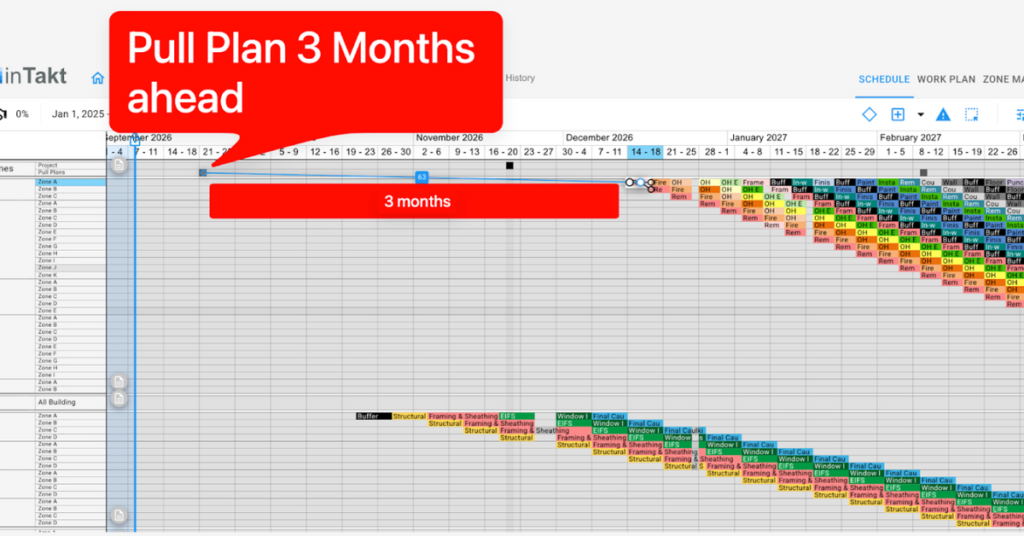
Pull planning is about logic and promises. It helps the team align on milestones, dependencies, and the sequence needed to hit a target. Takt planning is about space and rhythm. It turns that logic into a repeatable production system with zones, beats, and a Train of Trades.
If you pull plan without Takt, the outcome can be a beautiful wall of sticky notes that does not control the jobsite. The plan might say drywall starts after rough in, but it does not say how trades will move, how zones will be protected, or how to prevent stacking.
If you Takt plan without pull planning, the plan might have perfect diagonals but miss the real constraints that the team knows are coming, like procurement gates, commissioning logic, inspections, and owner access restrictions. The schedule looks elegant, but it is not anchored to reality.
To connect them, use pull planning to define the phase logic and key handoffs, then convert those handoffs into zone level definitions of done. Once you know the handoffs, you can build the trade train that protects them. Then you size zones and set Takt time so those handoffs can happen repeatedly without chaos.
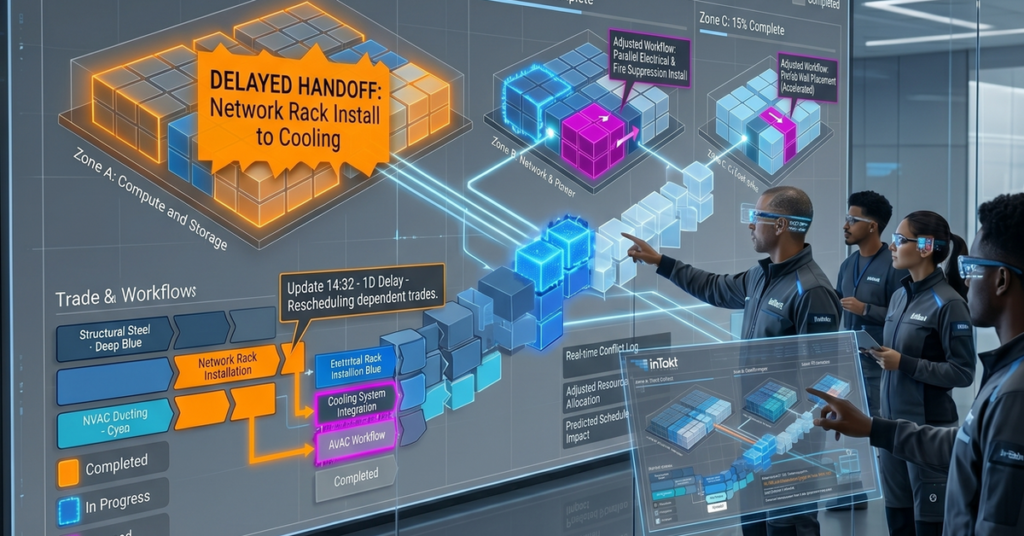
The connection becomes strongest when you keep the conversation continuous. The pull plan informs the Takt plan, and the Takt plan reveals production conflicts that refine the pull plan. This is not rework, it is design.
In execution, keep both visible. Use Takt for daily and weekly control, and use the pull plan milestones to keep the team aligned on the bigger phase commitments. Tools like inTakt help bridge that gap by showing the zone based plan while still supporting milestone tracking and readiness conversations.
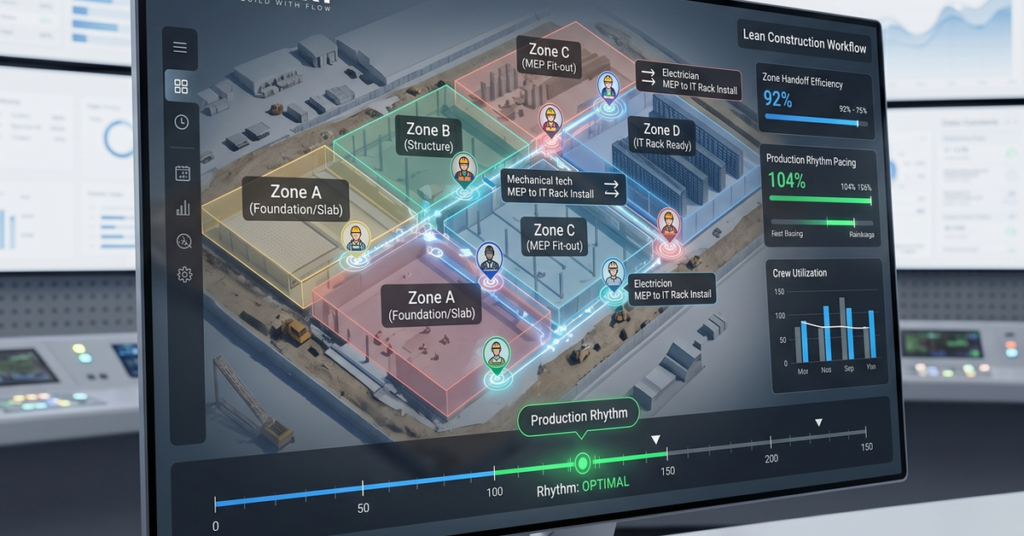
When these systems are linked, the project stops feeling like a series of meetings. It starts feeling like a single operating cadence, where planning and execution reinforce each other.