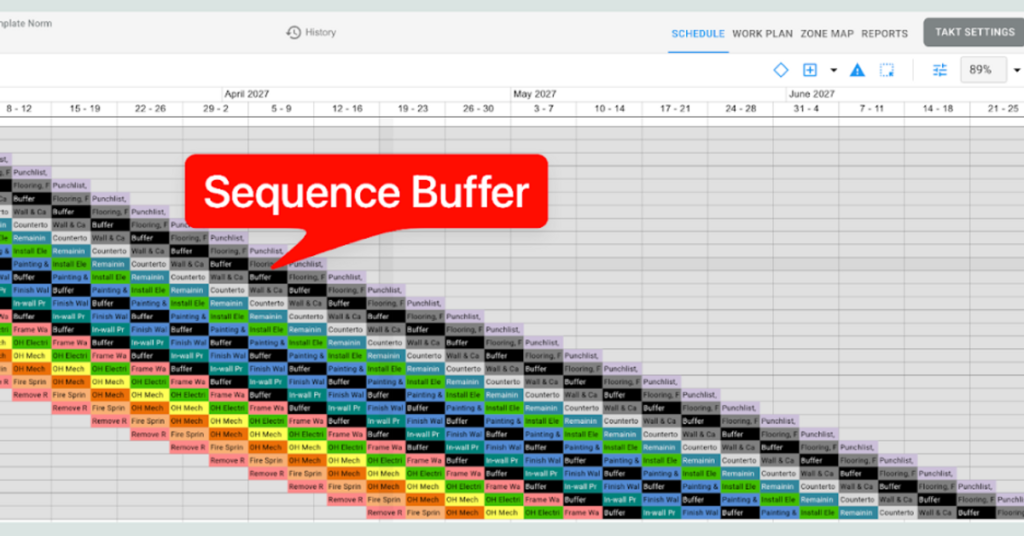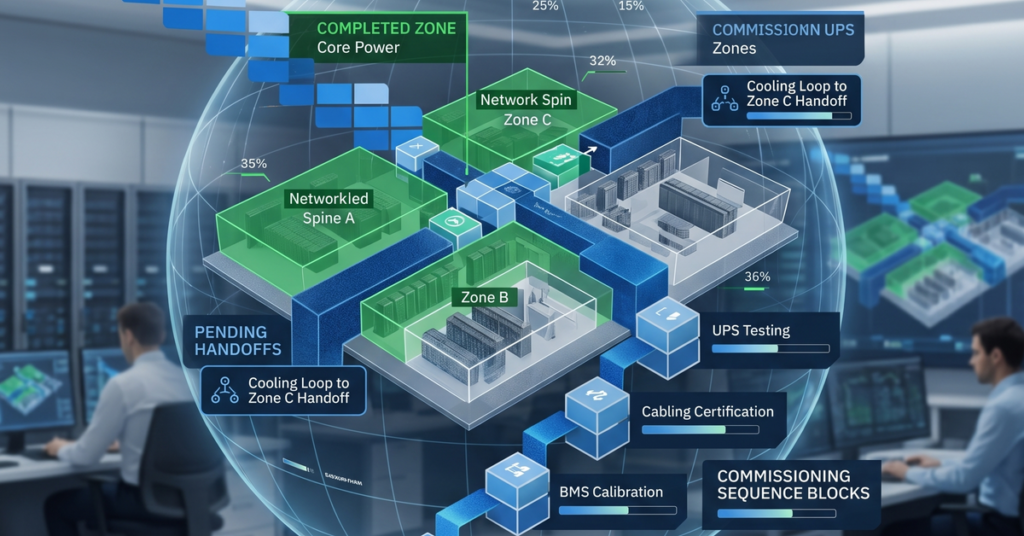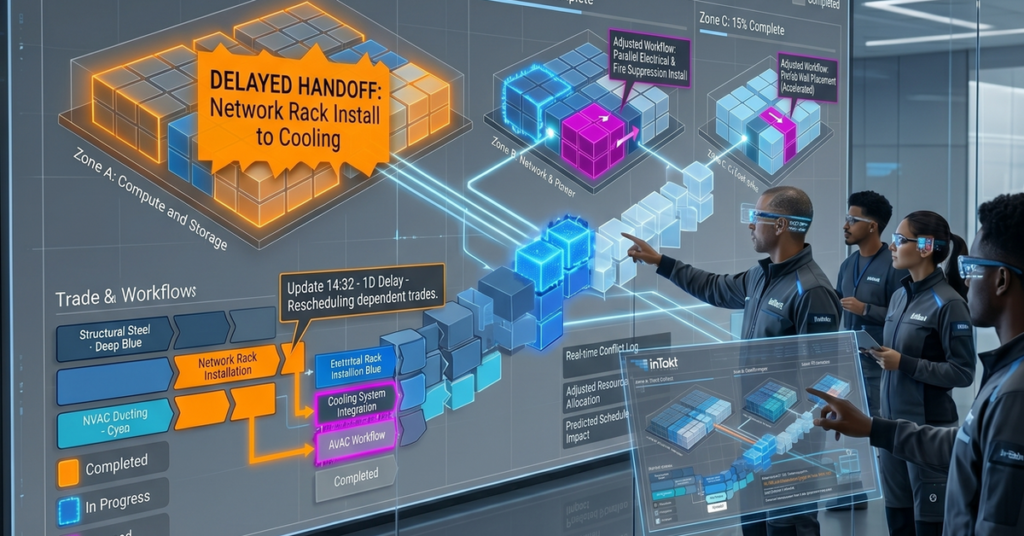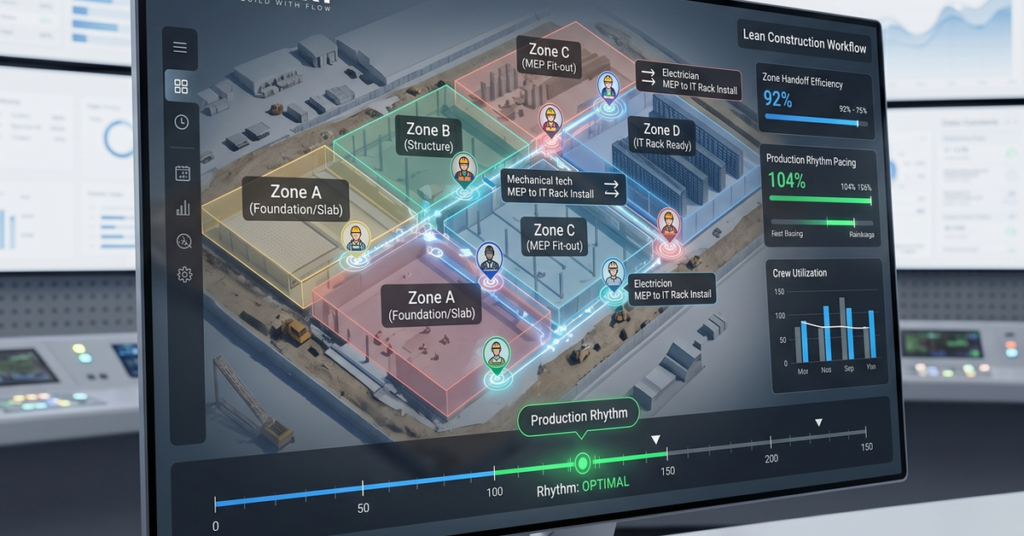
Buffers are a way to acknowledge variability without giving up flow. They are planned recovery capacity, built into the system so the project can bend and still stay in rhythm. A good buffer is intentional, visible, and tied to a real risk.
The wrong way to use buffers is to sprinkle extra time everywhere. That hides problems and removes urgency. When every zone has a hidden cushion, you stop seeing variation, and you stop improving. The schedule looks healthy while the production system quietly weakens.
The right way is to place buffers where disruption will ripple. High risk handoffs, inspection heavy areas, complex MEP density, and zones with known access limitations are common buffer locations. You are not protecting laziness, you are protecting the train so downstream crews are not punished for upstream variation.
Buffers also need triggers. When a buffer is used, ask why. Was it a material issue, an approval, a manpower shift, or an unknown condition. Capture the reason in plain language and feed it back into readiness planning. Over time, good teams use fewer buffers because they learn and remove causes, not because they pretend variability does not exist.
In execution, buffers should be easy to see and easy to manage. If your team cannot point to the buffer and explain how it works, it will be misused. Using inTakt to display buffers alongside zones and trades helps keep them honest and keeps the conversation focused on flow.
The goal is not a schedule that never changes. The goal is a production system that stays stable even when reality shows up. That is what buffers are for.