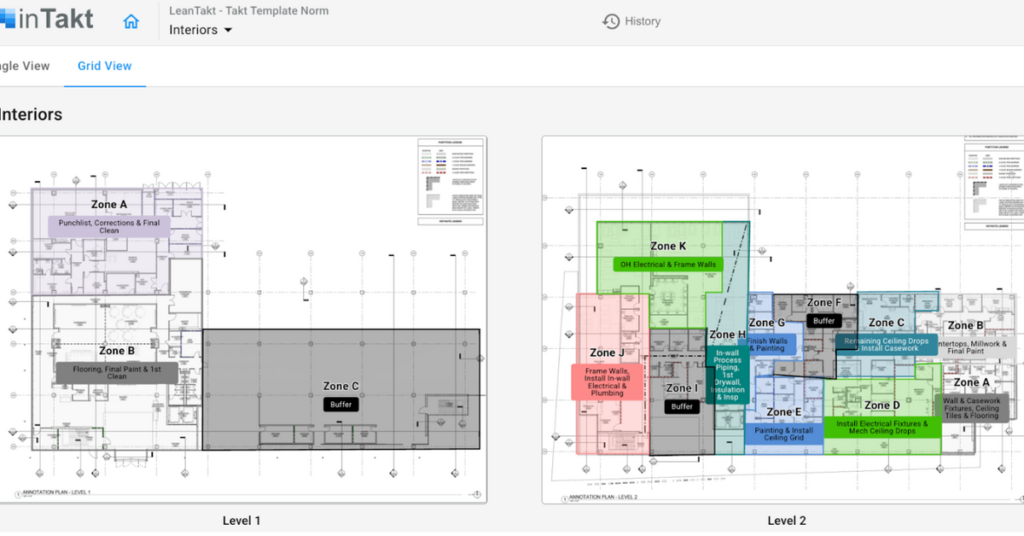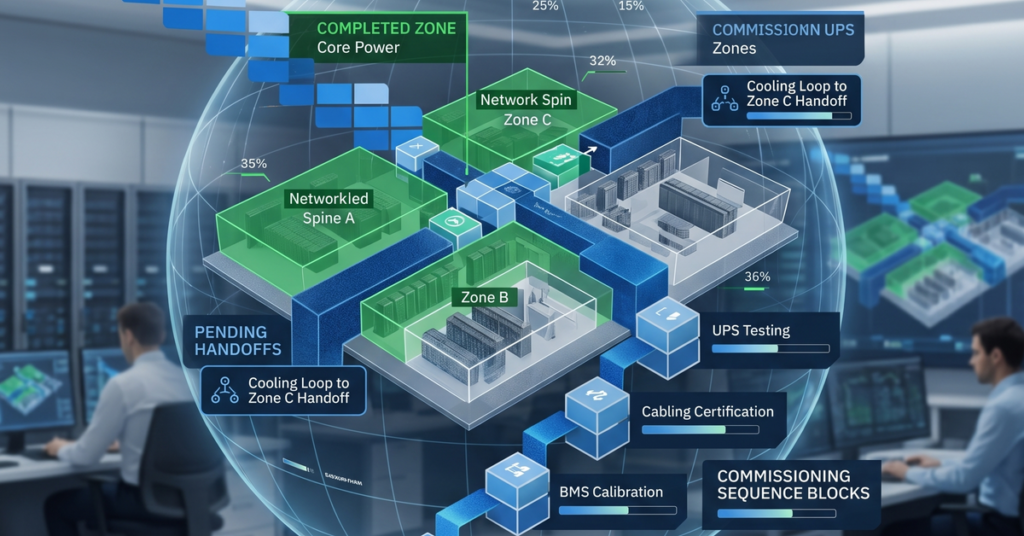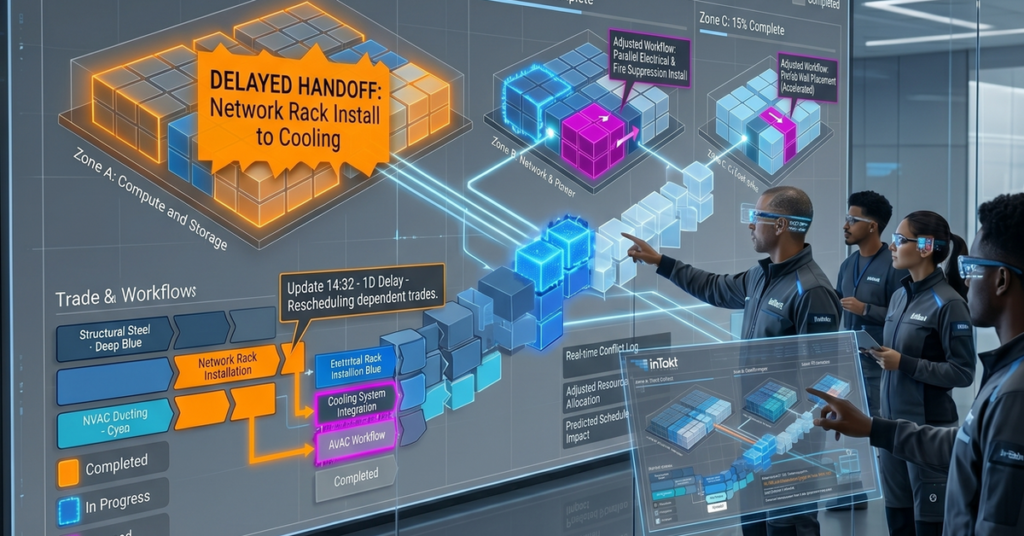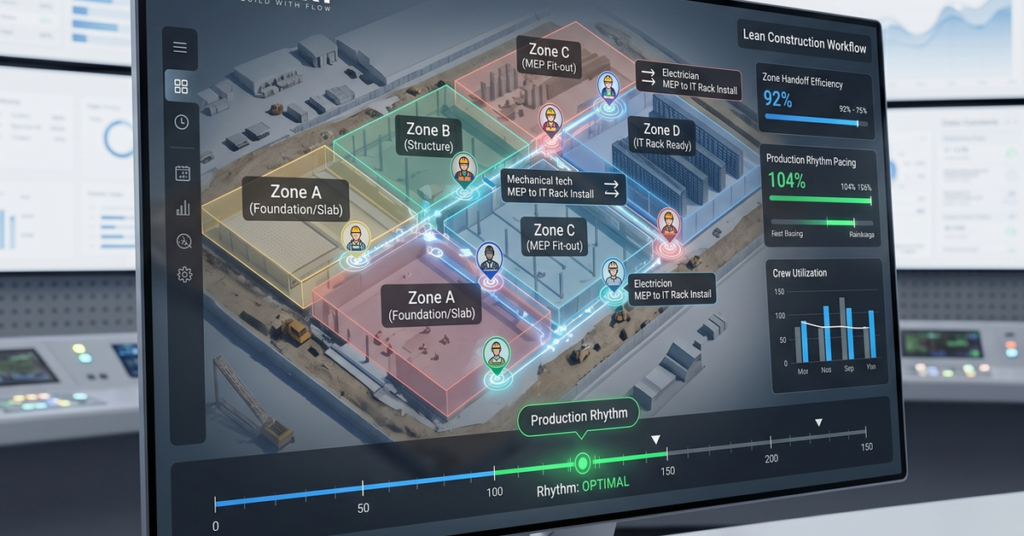
inTakt helps teams see logistics in the same place they see the work. The schedule view makes sequencing and timing visible, and the Zone Map connects that flow to the drawings. Instead of arguing about what should be happening in an area, teams can look at the zones and see what work is planned and when, then align access, staging, inspections, and deliveries around that reality.
When logistics break down, the worst thing you can do is let the issue stay invisible. inTakt gives teams a place to log roadblocks and track what is stopping progress so problems do not hide in texts, side conversations, or someone’s notebook. Once blockers are visible, leadership can remove them faster and trade partners can plan around them with honesty.
Logistical flow also depends on learning. If the same reason keeps showing up, the team needs to treat it as a system issue, not a one time excuse. inTakt prompts for delay reasons when tasks inside the active working window are pushed, and those reasons roll up into reporting so the team can see trends like inspections, material delays, labor availability, or access constraints. That is how logistics gets better week after week, not just louder.
When the plan, the zones, and the blockers are connected, the project stops reacting late. It starts making space for the work ahead of time. That is logistical flow, and it is one of the fastest ways to protect trade flow without burning out the team.